SPIN PAINTING
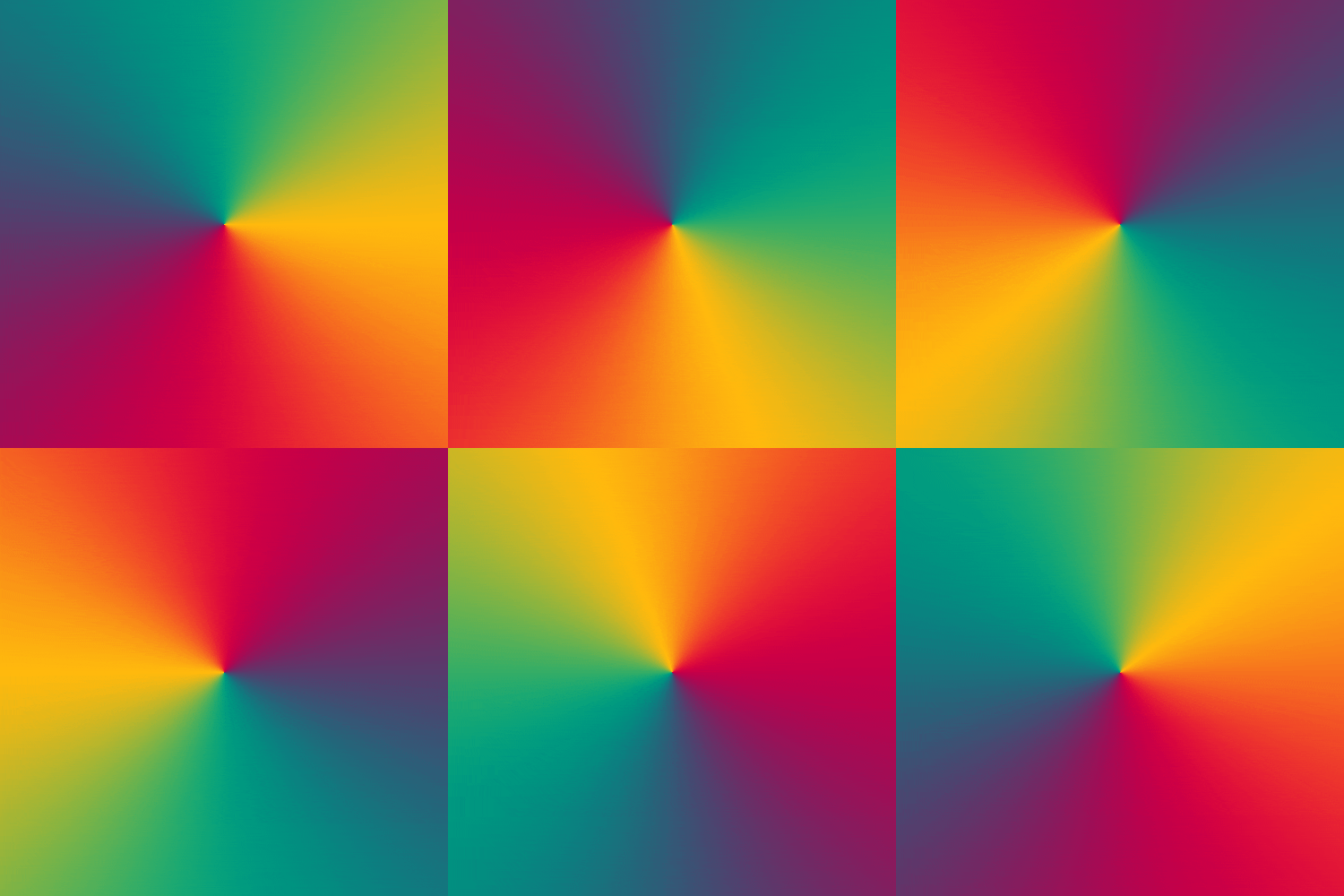
"Spin art is an art form that uses paint, a canvas such as glossy cardboard and a spinning platform. It is primarily used to entertain and expose children to the process of art creation, although it can be enjoyed by people of all ages."-WikipediaH O W I M A D E A S P I N M A C H I N E
(my dad helped me but it was my idea)
T H O U G H T S O N T H E S P O N T A N E I T Y O F T H E T E C H N I Q U E
Yes-the nature of the marks made is random every time but, contrary to the popular opinion of people that look at abstract styles of painting and go 'I've got a monkey at home that could do that,' there are constants and variables to this technique that every artist using this technique will take into account.
THICKNESS OF PAINT & SPEED
How thick is the paint you are using? Essentially, the thicker the paint is the greater the force required to move it to create the spinning effect (just as very thin and watery paint will move without much force at all). This is where you also have to look at the capability of the machine you're using for spin painting. If using a converted bike like Callen Schaub, you can dictate what speed taking into consideration your own strength whereas since I'm using a converted fan that has three speed settings so I am only able to choose from them as to the speed. The weight of the board will also make the speed slower, so I chose to use foamboard as a waterproof and lightweight material so that the board would spin well.
COLOUR
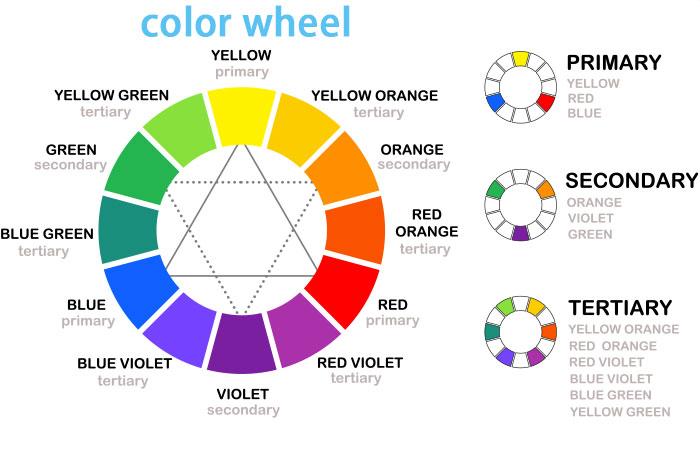
The artist has full control of colours chosen and colour quality. I chose to loosly follow what I a know about the colour wheel and complementary colours when choosing what to use in my paintings. This worked to an extent but I found myself using very closely related colours, like blue and green, making the picture boring to look at. In some cases, I found it more effective to just throw on a lot of different colours which was more effective only if the base of the paint was strong. When not using white acrylic paint, the paint has no base. Yes, the PVA is white and gives the intitial appearance of solid colour-but this dries clear so the different layers of colour all dried very muddy and opaque. Compared to one with white acrylic as a base, which produced solid colours and retained more fine details in texture.
A 4 E X P E R I M E N T
(aka seeing if the board would fly off the fan at great velocity and kill me)
The first spin painting I attempted I was using a mixture of acrylic, PVA and water that I was using for an Acrylic pouring but thought could be used for a spin painting. Unfortunately, having the colours already mixed up was the downfall of this piece, everything was too muddy and blended together in the process and the colour choice wasn't particularly adventurous so ended up looking pretty ugly and plain.


I added black and blue poster paint to the piece while it was spinning to add some tonal contrast but found on drying that the poster paint blended in with the the other colours so smaller details were lost in the piece. The black also turned blue upon drying which was...unexpected.

Here it is before the drying proces happened, it was a more successful result initially because of the brightness of the colours and contrast between the black and green. You can also see where the poster paint has been layered over the PVA as the poster paint has dried matte, but the PVA and acrylic paint dried glossy, providing difference in texture and adding unintentional highlights. As this my first, I was being more cautious of the machine itself than the painting, so for a first attempt I think you get the basic gist of the effect I am trying to achieve.
A 3 E X P E R I M E N T
In the A3 spin painting I was less cautious of my use of colour. I had an array of poster paint next to me and instead of bothering to mix it up with anything, I just let the board spin and throw the paint on out of the bottle, the result was far more spontaneous and exciting. I like the sense of movement in spin art the most and how on a larger scale, more fine details are exposed and you are really absorbed in the painting. Just to see what happened with the paint, I found it to be less muddy, but I was still worried about my use of poster paint drying in a way that I would lose the detail I had achieved, so while it was still spinning, I threw on a lot of white acrylic to give the poster paint a base to help it in the drying process.


S E C O N D A R Y I D E A S
A 2 E X P E R I M E N T S

The mixture I was using generally was 2 parts PVA glue and 1 part water (and acrylic paint for the pigment which also helped to thicken the mixture the mixture). I found this to be the most effective for the velocity of the fan, because the thicker the mixture the less it moved and the less exciting the marks I created were.


I N S P I R A T I O N
 |
| ‘Beautiful, pop, spinning ice creamy, whirling, expanding painting’ (1995). Photographed by Stephen White © Damien Hirst and Science Ltd. All rights reserved, DACS 2012 |


Comments
Post a Comment