SPIN PAINTING ON VINYL RECORDS AND CDs
(It's not sacrilege if they were scratched up to begin with, right?)
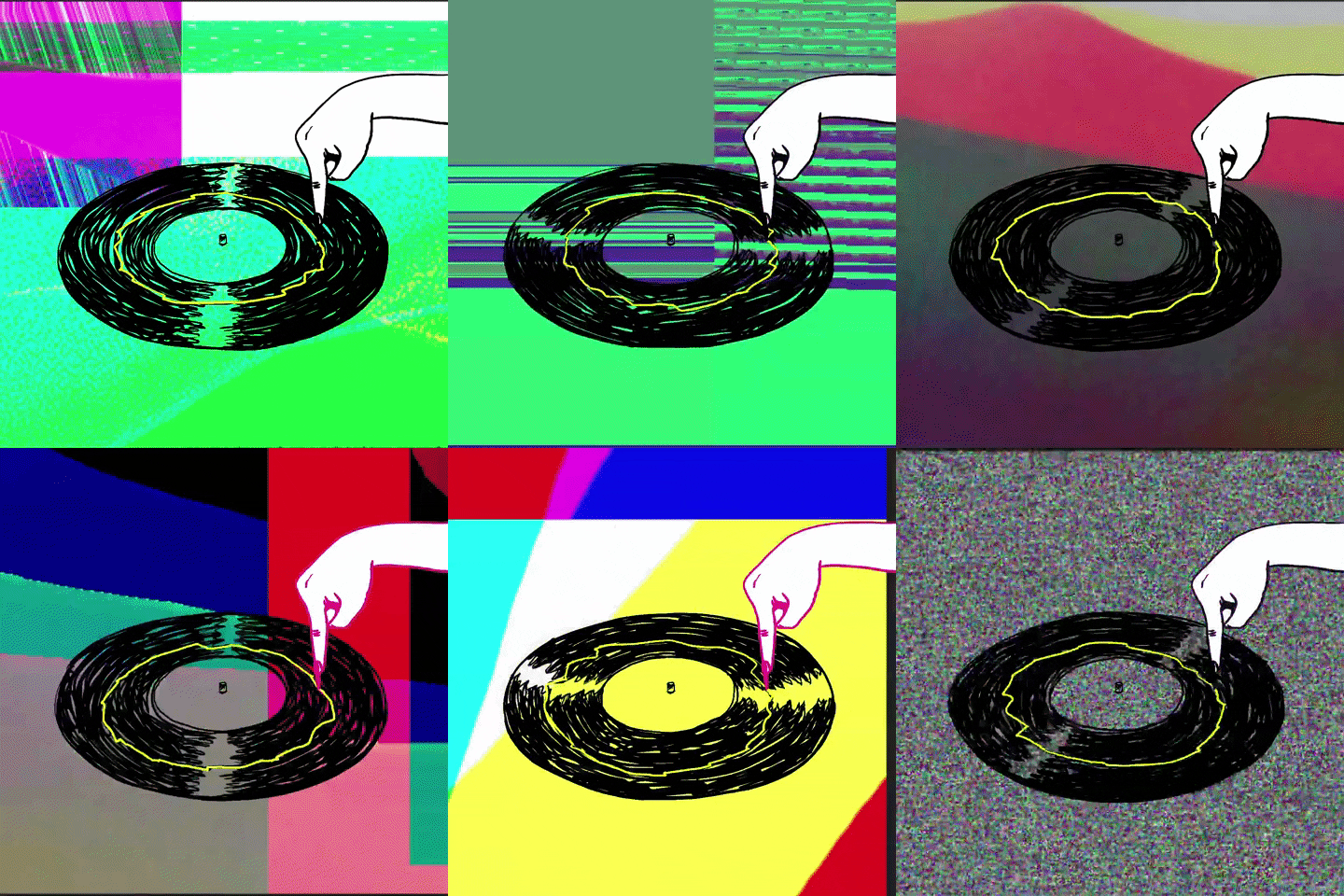
In furthering my spin painting studies using a converted fan and the same paint mixture used in my acrylic pours, I decided paint on CDs and Vinyl records. The reason I did this was because both CD's and records are spun in order to create music, just as with this technique the paint must be spu in order to make the painting. I like the duality of this link and how well it compliments each other, so I knew this experiment was something that I needed to try.

While mixing the paint I knew I would have to incorporate white acrylic paint because the paint would need a base. As the PVA dries clear, without a base the painting will be opaque and as the records are black, I knew that the colours would look very dark and that was something I didn't wan from observing how my earlier experiments had blended and dried without contrast. For the first experiment I chose to stick to secondary colours-as my basic knowledge of colour theory only extends to knowing that all secondary colours should work together.
(future Joe here, making corrections to my blog posts one week before the deadline: for future reference on colour theory here is a handy sheet that explains it very well!)

(I do look further into colour theory in my canvas' used to reflect the my three favourite songs from the planet suite-Mars, Venus and Jupiter)

I started out unsure if using only masking tape would make the record secure enough while spinning. I was very concerned about the record flying off of the board mid-spin but thankfully, it did not and the force of gravity did not let me down. I secured the rest of my boards like this too. When peeling it off the board it would leave a gap where the tape was but I was able to cover it with my finger using excess paint.

This was the outcome of pouring the paint while it was spinning. The marks were very 'explosive' and exciting but I felt like it was missing something, aside from the vinyl not being entirely covered. I decided to mix a little pink paint into it as well as more orange. I was left with a very thick painting that I knew would take a couple of days to properly dry, but I was very pleased with the outcome and like the colours of the painting. Because I had mixed quite a lot of paint, I ended up using a lot of the same colours or using those colours to create different colours in an attempt to save materials. (I was running out of clean plastic cups to mix the colours in.)


Again, I stuck the record onto the board with masking tape, even more sceptically than before because of the wet paint from the previous painting on the board. Thankfully it didn't fly off this time either. I also wanted to try blocking out the middle so that you could still see the label, however I ultimately didn't like how this looked because the tape had torn the sticker in places, so I ended up covering the entire thing in paint to show off the full effect of the technique.


This one is my second favourite because the marks are so exciting! I think the more colours you use, as long as they compliment each other and have white acrylic paint as base, the more exciting the outcome is. That and the interjection of the pink colour makes this record especially effective because all of the colours compliment, but contrast each other.


The paint was just the right thickness and had enough of base that it combined the best qualities of each of my record experiments.It didn't muddy at all or appear opaque, all of the colours had a solid quality to them which was very effective. There are so many little details in the painting too that the closer in you get to it, the more detail is revealed and I find that quite impressive.

Then here is the board following the experiment, in which I love the effect the boarders of the paper have had on it-even if it is a clear give away that the painting wasn't central.


Comments
Post a Comment